
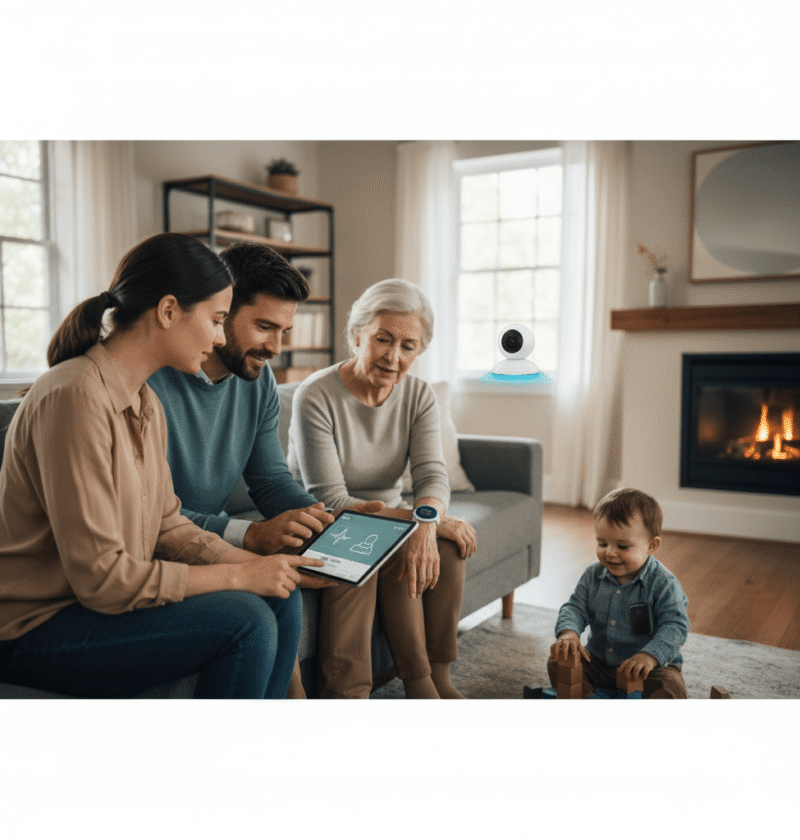
As our loved ones age or face health challenges, a natural concern arises for their safety and well-being. We all want to provide the best care possible, but it is not always feasible to be physically present at all times. This is where modern technology steps in to offer reassurance and practical support.
Monitoring devices have evolved significantly, moving beyond simple emergency buttons to offer comprehensive solutions for various needs. They can provide an essential safety net, helping us ensure that those we care about are safe, comfortable, and able to maintain their independence.
I believe that choosing the right monitoring system is about finding a balance between robust safety features and maintaining a loved one’s dignity and autonomy. The goal is to enhance their safety without infringing on their sense of freedom, and that is a truly important consideration.
Understanding the Need for Monitoring Devices
Many families reach a point where they consider additional measures to support a parent, grandparent, or other vulnerable family member. This decision often comes from a place of love and a desire to prevent accidents or respond quickly to emergencies. We want to be proactive about potential risks that can affect daily life.
Common concerns include falls, which are a leading cause of injury among seniors, and the potential for medical emergencies like strokes or heart attacks. There is also worry about loved ones wandering or becoming disoriented, especially for those with cognitive impairments. These situations require quick action.
It is important to acknowledge that every individual’s situation is unique. Some loved ones might be very independent but prone to occasional accidents. Others may require more continuous oversight because of ongoing health conditions. Understanding these specific needs helps us pinpoint the most effective monitoring solutions.
Addressing Common Safety Concerns
Falls are a particularly pressing issue for seniors. A fall can lead to serious injuries and a loss of confidence that impacts their quality of life. Devices that can detect a fall automatically, even when a person cannot press a button, offer incredible peace of mind to both the individual and their family.
Medical alert systems directly address the fear of an unassisted medical emergency. Having a way to quickly summon help, whether through a wearable device or a voice-activated unit, means that critical minutes are not lost. This quick response can make a significant difference in outcomes.
For individuals prone to wandering or confusion, tracking devices and smart home sensors can be incredibly helpful. These tools can alert family members if a loved one leaves a designated safe area or if there are unusual activity patterns within the home. This kind of monitoring helps to keep them safe while still allowing for a degree of freedom.
Types of Monitoring Devices for Enhanced Safety
The market for monitoring devices has expanded greatly, offering many options to suit different needs and lifestyles. From wearable technology to discreet home sensors, these tools are designed to provide assistance and information in real time. We have more choices now than ever before.
Some devices focus on immediate emergency response. Others offer more subtle, passive monitoring of daily routines and environmental factors. It is helpful to understand these different categories as you consider what might be best for your loved one.
Considering the various options available is an important step in making an informed decision. I always tell families to think about both the loved one’s specific risks and their comfort level with technology. It truly makes a difference in adoption and consistent use.
Personal Emergency Response Systems (PERS)
These systems are perhaps the most widely recognized type of monitoring device. Traditional PERS usually consist of a base unit connected to a phone line or cellular network and a wearable button. The button can be a pendant or a wristband, and it allows the user to call for help with a simple press.
Many modern PERS include automatic fall detection, which uses sensors to identify a fall and then automatically contacts the monitoring center or designated family members. This feature is invaluable because a person might be unconscious or unable to reach their button after a fall. These systems offer a direct line to help when it is needed most.
Mobile PERS devices also exist, which use GPS technology so that assistance can be summoned even when the person is away from home. These are ideal for active seniors who still enjoy going out. They provide security whether someone is in their garden, at the grocery store, or on a walk.
Smart Home Monitoring and Sensors
Beyond traditional emergency buttons, smart home technology offers another layer of safety monitoring. These systems use sensors placed around the home to track activity and environmental conditions. They can be incredibly discreet and less intrusive for some individuals.
Door and window sensors can alert caregivers if a loved one exits the home at unusual hours. Motion sensors can help establish routines and detect if a person has been inactive for an extended period, which might indicate a problem. Smoke and carbon monoxide detectors, integrated into a smart home system, can send alerts to multiple contacts, not just trigger a local alarm.
Smart cameras can provide visual checks, but it is vital to use them with respect for privacy. Many families find that a camera in a common area, used with consent, can offer immense reassurance. This technology gives us a better picture of daily life and can highlight potential issues before they escalate. When evaluating a senior monitoring device features like these are crucial for comprehensive coverage.
Choosing the Right Device: Key Factors
Selecting the ideal monitoring device is not a one-size-fits-all process. It requires careful consideration of the individual’s specific needs, their living situation, and what features will truly provide the most benefit. We must tailor the solution to the person.
I always advise families to involve their loved one in the decision-making process whenever possible. Their input is important. They are the one who will use the device daily, so their comfort and willingness to wear or interact with the system are paramount. If they resist it, the best technology in the world will not be effective.
Factors like ease of use, comfort of wearable components, and the clarity of communication features are critical. A device that is too complicated or uncomfortable will likely be abandoned. Simplicity and reliability should be high on your priority list.
Evaluating Connectivity and Support
Connectivity is a fundamental aspect of any monitoring system. Most devices operate using either a landline connection, a cellular connection, or Wi-Fi. Understanding which option best suits your loved one’s home and lifestyle is crucial. Landlines are reliable but becoming less common, and cellular devices offer freedom of movement.
Many systems offer both professional monitoring services and family notification options. Professional monitoring means a dedicated call center is available 24/7 to respond to alerts, contacting emergency services or family members as needed. This provides a strong safety net.
Family notification systems, on the other hand, send alerts directly to designated family members or caregivers. This option can be suitable for situations where family members are always nearby and able to respond quickly. The choice often depends on the level of immediate support available and the severity of potential risks.
Benefits Beyond Emergency Response
While the primary purpose of monitoring devices is safety, their advantages extend far beyond just emergency alerts. These systems can profoundly improve the quality of life for both the monitored individual and their family. They foster a greater sense of security for everyone involved.
One of the most significant benefits is the peace of mind they offer to family members. Knowing that a system is in place to detect a fall or summon help can alleviate constant worry, especially for those who live far away or have busy schedules. This emotional relief is truly priceless.
For the loved one, these devices can be a key to maintaining independence. Instead of needing constant supervision, they can continue to live in their own home and pursue their daily activities with confidence. This sense of autonomy is vital for their mental and emotional health. The devices empower them.
Monitoring systems can also provide valuable insights into a loved one’s routine and health patterns. Activity trackers can show if someone is sleeping more than usual or if their mobility has changed. Environmental sensors can indicate if the home temperature is unsafe. Early detection of these subtle changes can prompt timely interventions before minor issues become major problems.
It is not just about reacting to emergencies, but also about proactively supporting a healthy and independent lifestyle. We are using technology to augment care, not replace it. These devices are tools that help us stay connected and informed about the well-being of our family members.
Implementing Monitoring Devices Respectfully and Effectively
Bringing a monitoring device into a loved one’s life requires a thoughtful and sensitive approach. It is not always an easy conversation, but it is a necessary one for their safety. I believe open communication is the best policy.
Always involve the loved one in the decision. Explain the benefits clearly, focusing on how the device will support their independence and provide security for them and for you. Reassure them that it is about care, not control. We want them to feel empowered, not monitored in a negative sense.
Once a device is chosen, take the time to set it up correctly and thoroughly test it. Ensure that the loved one understands how it works and feels comfortable using it. Practice calling for help and reviewing alerts so that everyone involved knows what to expect. This training and familiarity builds confidence.
Regular communication is also very important. Check in with your loved one frequently about their experience with the device. Ask if they have any concerns or if adjustments need to be made. Technology evolves, and so do individual needs, so periodic reviews of the system are always a good idea.
Remember that these devices are part of a larger care strategy. They complement, but do not replace, regular visits, phone calls, and direct personal care. Using monitoring devices effectively means integrating them seamlessly into a supportive environment that prioritizes the loved one’s well-being and autonomy.
Ensuring Continuous Safety and Peace of Mind
Keeping our loved ones safe with monitoring devices is a compassionate and practical step in modern caregiving. The array of options available today, from sophisticated fall detection systems to discreet smart home sensors, allows families to choose solutions that truly fit their unique circumstances. These technologies offer a vital layer of security, providing immediate assistance during emergencies and valuable insights into daily well-being. By making informed choices and involving our loved ones in the process, we can empower them to live more independently while gaining the reassurance that they are protected. This balance of autonomy and safety is what we strive for, giving everyone involved greater peace of mind. I encourage you to explore these options and start a conversation with your family about how monitoring devices can enhance the safety and quality of life for your cherished loved ones today.


